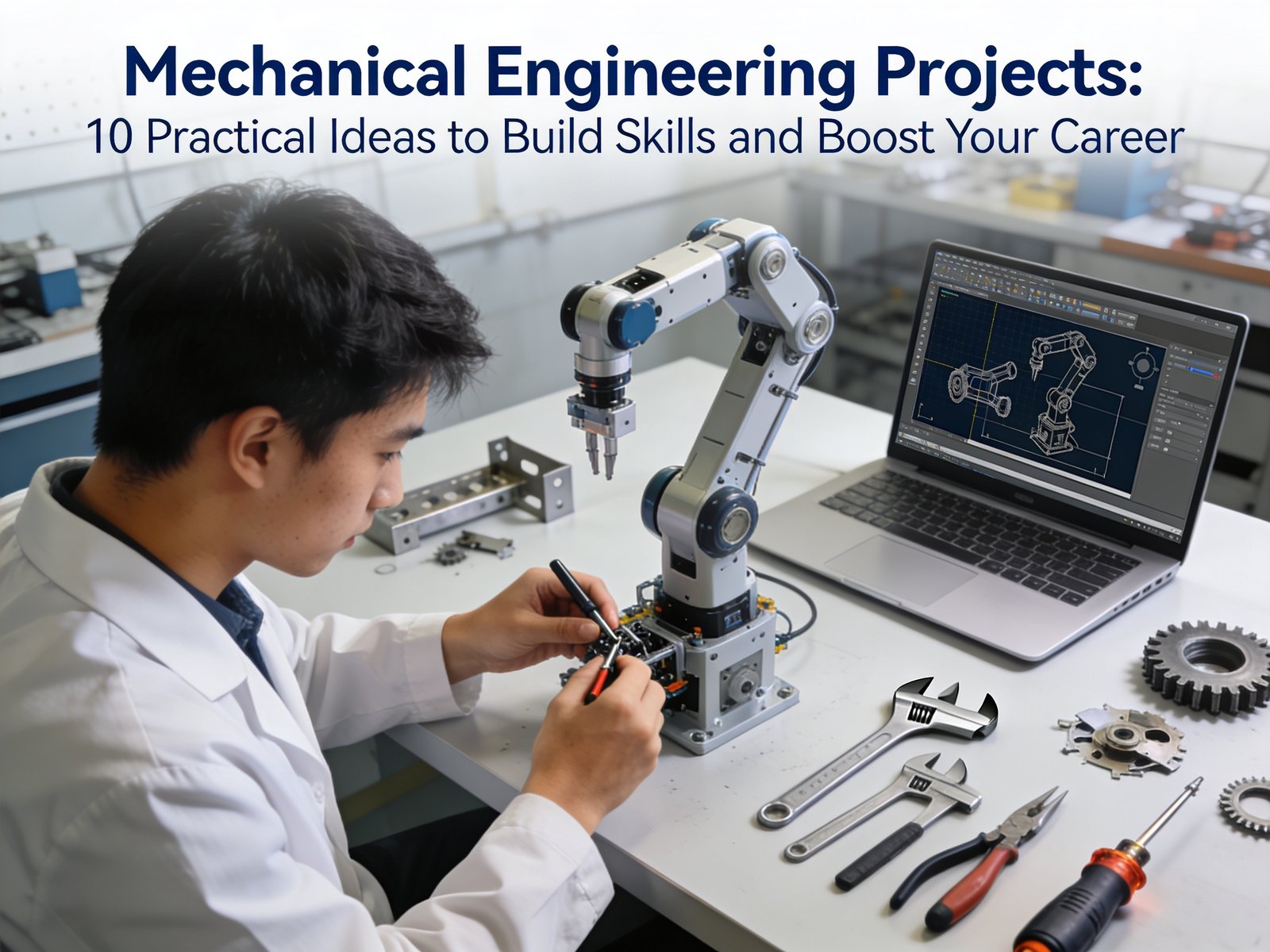
If you’ve ever wondered what mechanical engineering do in the real world – or how someone goes from student to sought-after professional – the answer is almost always the same: they built things.
Mechanical engineering is one of the broadest and most respected fields in the engineering world. It covers everything from tiny medical devices to massive industrial machines. But here’s the thing — understanding the theory alone won’t get you hired, promoted, or taken seriously.
Hands-on projects do.
Whether you’re a student looking to impress future employers, a working engineer wanting to sharpen your skills, or just someone curious about what it really means to be a mechanical engineering engineer, this guide is for you.
Below, you’ll find 10 practical mechanical engineering projects that are realistic, skill-building, and career-boosting. Each one teaches something real — and many of them can directly improve your mechanical engineering pay over time.
Let’s get into it.
📘 Suggested Course: The Complete Mechanical Engineering Course – 12 Courses in 1
👉 If you want to build a strong foundation in mechanical engineering — from thermodynamics and fluid mechanics to real-world industrial applications — this all-in-one course is a great choice.
👉 Start learning everything in one place: [https://trk.udemy.com/R0Oy5v]
What Is Mechanical Engineering? (A Quick, Simple Overview):
Think of mechanical engineering as the science of making things move, work, and last. Mechanical engineers design engines, machines, tools, and systems. They work in aerospace, automotive, robotics, manufacturing, energy, healthcare — basically everywhere.
A mechanical engineering engineer typically handles tasks like:
- Designing parts and systems using CAD software
- Running stress and thermal analysis
- Building and testing prototypes
- Managing production and quality control
- Improving energy efficiency and reducing operating costs
And what mechanical engineering pay looks like? According to the U.S. Bureau of Labor Statistics, the median annual salary for mechanical engineers is around $99,000 — with experienced engineers in specialized fields earning well above $130,000.
The key to getting to those numbers? Experience. And the fastest way to build that experience, especially early in your career, is through projects.
10 Practical Mechanical Engineering Projects to Build Your Skills:
1. Design and Build a Simple Robotic Arm:
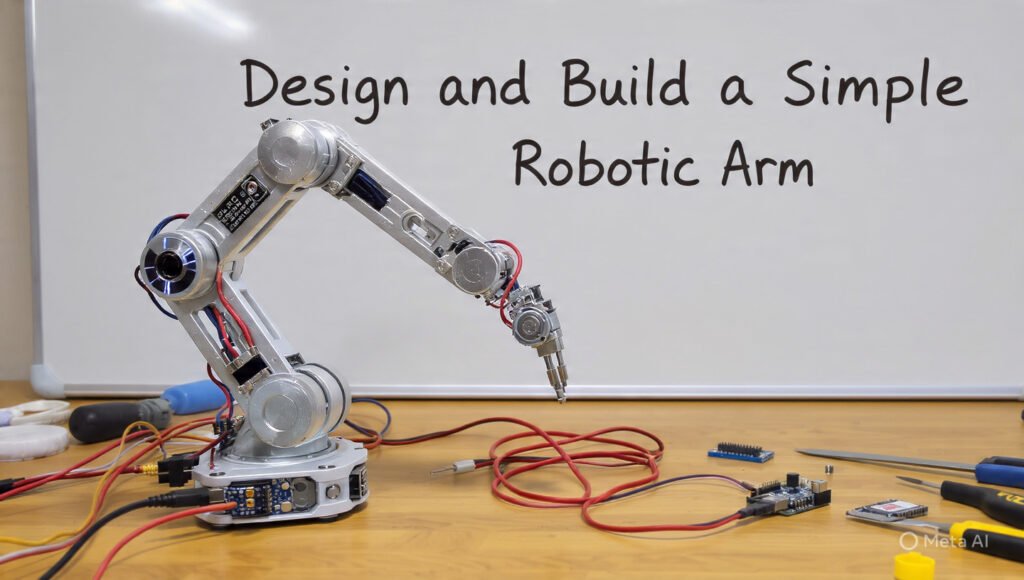
Difficulty: Beginner–Intermediate | Skills: CAD, mechanics, electronics, programming
- A robotic arm project touches almost every core area of mechanical engineering. You’ll design joints and linkages, choose motors, and figure out how to control movement — all at once.
- In real-world applications, robotic arms are used in manufacturing assembly lines, surgical rooms, and warehouse automation. Building even a small tabletop version gives you exposure to motion control, torque calculations, and material selection.
- Start with cardboard or 3D-printed parts. Add servo motors. Then write a basic control program using Arduino. Once it works, try calculating the arm’s load capacity. That alone is a fantastic resume talking point.
📘 Suggested Course: 100+ Mechanical Engineering Interview Questions
👉 Preparing for interviews? This course covers the most commonly asked mechanical engineering questions with clear explanations.
👉 Boost your confidence and crack your next interview: [https://trk.udemy.com/KBqe0e]
2. Build a Solar-Powered Water Pump:
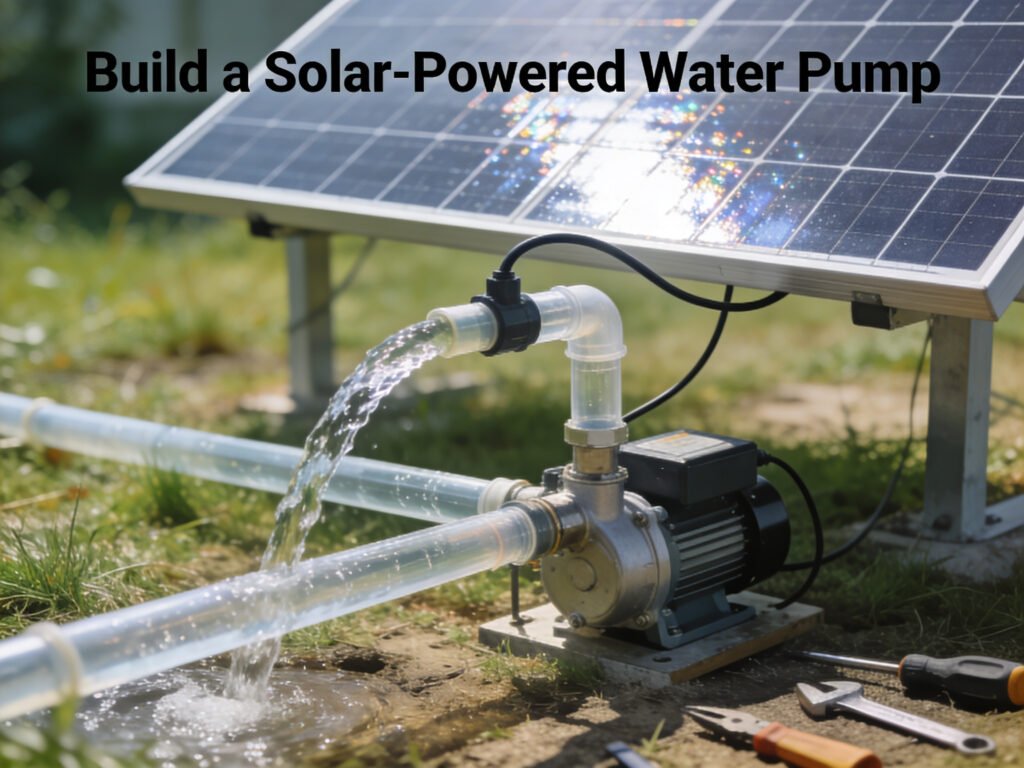
Difficulty: Intermediate | Skills: Thermodynamics, fluid mechanics, energy systems
- This project combines mechanical engineering with renewable energy — a combination that employers are hungry for right now.
- You design a pump system powered entirely by solar panels. The challenge is optimizing the system for energy efficiency — making sure you’re not wasting energy at any step, from solar conversion to water movement.
- This project teaches you about pump curves, pipe friction, power matching, and system performance under varying sunlight conditions. It’s also a great introduction to sustainable engineering, which directly affects a company’s operating cost and long-term maintenance cost.
3. Design a Gear Train or Transmission System:
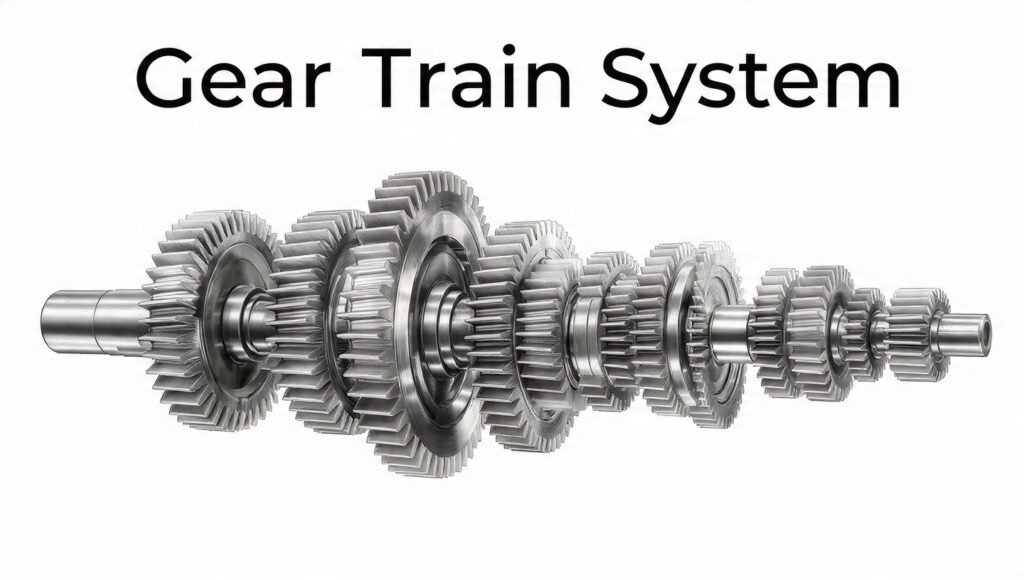
Difficulty: Beginner | Skills: Machine design, CAD, mechanical advantage
- Before you can build advanced machines, you need to understand gears. This classic mechanical engineering project involves designing a gear train that changes speed and torque in a controlled way.
- Use SolidWorks, Fusion 360, or FreeCAD (free) to model it first. Then either 3D print the gears or cut them from acrylic. Test whether your actual gear ratios match your theoretical calculations.
- One common issue I’ve seen with beginners is designing gears that look right on screen but fail due to tooth profile errors. Simulating before printing saves time and frustration. This attention to detail reflects real professional practice.
📘 Suggested Course: Geometric Dimensioning and Tolerancing (GD&T) – Basics
👉 If you want to clearly understand engineering drawings, tolerances, and real-world manufacturing standards, this course is highly recommended.
👉 Learn GD&T fundamentals step-by-step here: [https://trk.udemy.com/QYNOj6]
4. Build a Wind Turbine Model:
Difficulty: Intermediate | Skills: Aerodynamics, structural analysis, energy conversion
- Wind turbine design is one of the fastest-growing areas of mechanical engineering. And you don’t need a field to build one — a small working model on your desk can still teach you everything that matters.
- The core challenge: design blades that capture maximum energy from a given wind speed. You’ll learn about blade pitch, drag vs. lift, and rotor speed. Then test different blade shapes and lengths and measure output voltage to quantify your results.
- This type of project directly relates to energy efficiency — a hot topic in both public policy and private industry. Companies that invest in renewable energy design can reduce their long-term operating cost dramatically, and engineers who understand this are extremely valuable.
5. Finite Element Analysis (FEA) Simulation Project:
Difficulty: Intermediate | Skills: Structural analysis, software, problem-solving
- You don’t need a workshop for this one — just a laptop. FEA is a software-based method mechanical engineers use to simulate how a part or structure responds to stress, heat, or vibration.
- Pick a real part — like a wrench, bike frame, or bracket — and build a digital model using free tools like SimScale or Ansys Student. Apply realistic loads, then analyze where the part would fail.
- In real-world applications, FEA is used to design everything from airplane wings to car chassis — before a single piece of metal is cut. Mastering it means you can catch performance and safety issues early, dramatically reducing both development time and maintenance cost.
📘 Suggested Course: Mechanical Engineering Design – The Ultimate Course
👉 If you want to master core mechanical design concepts, calculations, and real-world engineering applications, this course is highly recommended.
👉 Learn practical design skills here: [https://trk.udemy.com/enr41Q]
6. Design and Test a Heat Exchanger:
Difficulty: Intermediate–Advanced | Skills: Thermodynamics, fluid mechanics, manufacturing
- Heat exchangers are everywhere — car radiators, air conditioners, industrial chemical plants. They transfer heat between fluids without mixing them, and designing a good one requires a solid understanding of thermodynamics.
- For this project, build a simple shell-and-tube or plate heat exchanger using copper tubing and a container. Run hot and cold water through it, and measure the temperature difference at inlet and outlet.
- Then calculate the heat transfer rate and compare it to your theoretical prediction. If your numbers don’t match, that’s a learning opportunity — not a failure. Improving energy efficiency in thermal systems is a major industry focus, and this hands-on experience will stand out on your resume.
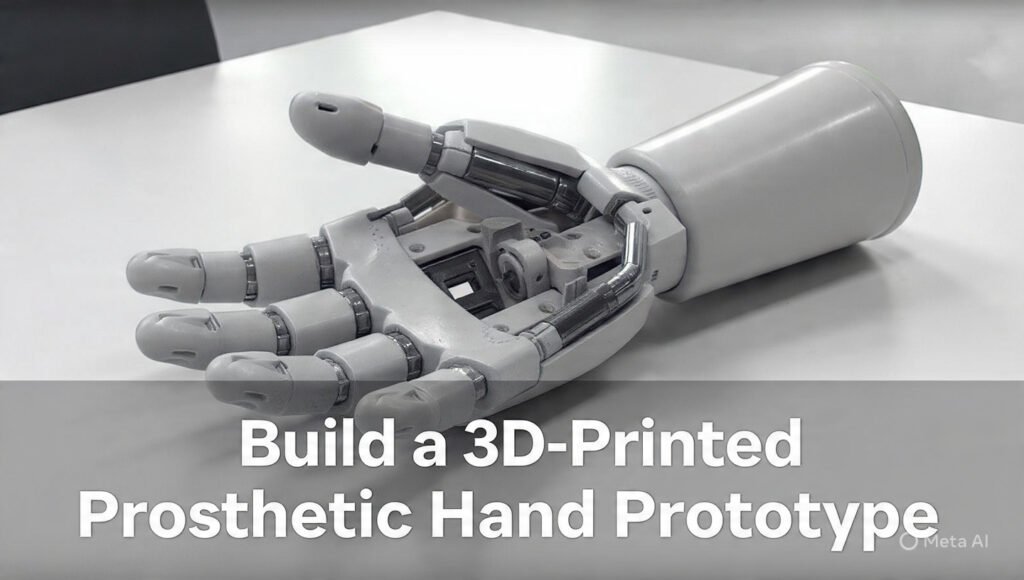
7. Build a 3D-Printed Prosthetic Hand Prototype:
Difficulty: Intermediate | Skills: Biomedical engineering, CAD, 3D printing, human factors
- This is one of those projects that combines technical rigor with meaningful impact. Open-source prosthetic hands already exist (check out the e-NABLE community), and you can download base files and improve on them.
- Focus on one specific improvement — maybe grip strength, weight reduction, or cost reduction. Document your design decisions, material choices, and test results.
- This kind of project shows employers that you can think holistically — about performance, manufacturing cost, and real user needs. It also demonstrates the kind of problem-solving mindset that separates average engineers from great ones.
📘 Suggested Course: Python for Mechanical Engineers
👉 If you want to automate calculations, analyze data, and improve your engineering productivity using Python, this course is highly recommended.
👉 Learn practical Python applications for mechanical engineering here: [https://trk.udemy.com/1GD59z]
8. HVAC System Efficiency Audit and Redesign:
Difficulty: Beginner–Intermediate | Skills: Thermodynamics, energy systems, technical writing
- Pick any building — your school, office, or home. Map out the heating, ventilation, and air conditioning (HVAC) system. Then analyze it for energy losses and inefficiencies.
- Calculate how much energy is being wasted and what the annual cost impact is. Then propose specific design changes — better insulation, duct sealing, smarter zoning — and estimate how much the upgrades would save per year.
- This is one of the most practical mechanical engineering projects you can do because it reflects real professional work. Building engineers do this every day. And the ability to quantify operating cost savings makes you immediately valuable to facility managers and corporate clients.
9. Design a Portable Air Compressor System:
Difficulty: Intermediate | Skills: Fluid mechanics, mechanical design, safety analysis
- Compressed air systems are the backbone of many industrial facilities. Designing a portable, efficient version introduces you to pressure vessels, flow rates, valve design, and safety engineering all at once.
- This project is particularly valuable because it forces you to think about safety — not just performance. One common issue I’ve seen in student projects is underestimating pressure vessel requirements, which in a real system could be dangerous. Learning this lesson in a project setting is exactly the kind of experience that makes engineers more careful professionals.
10. Build and Race a Small-Scale Formula SAE-Style Vehicle:
Difficulty: Advanced | Skills: Full-system design, teamwork, testing, optimization
- Formula SAE is an international student competition where teams design, build, and race small formula-style cars. If your school has a team — join it. If not, this project can still be done at a smaller scale.
- Even designing just one system — the suspension, drivetrain, or chassis — teaches you real engineering trade-offs. Every gram saved has a performance cost. Every dollar saved on parts affects budget. Every design change needs to be tested and validated.
- This is the kind of project that mechanical engineering engineers at top firms look back on as formative. It’s not easy. But it’s absolutely worth it.
📘 Suggested Course: Advanced Diploma in Mechanical Engineering
👉 If you want to build a strong foundation in mechanical engineering concepts like thermodynamics, fluid mechanics, and machine design, this course is highly recommended.
👉 Start your learning journey here: [https://trk.udemy.com/ZVxd6z]
Common Mistakes to Avoid in Mechanical Engineering Projects:
- Skipping the design phase: Jumping straight into building looks exciting but wastes time and money. Spend time with your CAD model first.
- Not documenting your process: Future employers don’t just want to see what you built — they want to see how you think. Keep a project log.
- Ignoring safety: Especially for pressure, electrical, or rotating systems. Engineering is about performance AND safety, always.
- Working alone when you don’t have to: Industry is collaborative. Projects done with others teach communication and coordination.
- Choosing projects too complex to finish: A completed simple project beats an unfinished complex one. Always.
How Mechanical Engineering Projects Affect Your Career and Pay:
Here’s something a lot of students don’t realize: mechanical engineering pay doesn’t just reflect your degree level — it reflects your demonstrated ability.
Hiring managers at top companies regularly say they pay more attention to a candidate’s project portfolio than their GPA. Why? Because projects demonstrate problem-solving, initiative, and real-world thinking.
Engineers who specialize in high-demand areas — energy efficiency, automation, robotics, thermal systems — command significantly higher salaries. Each of the projects listed above connects to one of those in-demand specialties.
The cost impact of good mechanical engineering is enormous in industry. A single design improvement by a skilled engineer can reduce a product’s manufacturing cost by 10–20%, or extend its service life by years. That’s why companies pay for expertise — and that’s why building that expertise through projects is so valuable, even before you’re hired.
📘 Suggested Course: Manufacturing Process Selection and Design for Manufacturing
👉 If you want to understand how to choose the right manufacturing process, optimize product design, and reduce production costs in real-world engineering applications, this course is highly recommended.
👉 Learn practical design and manufacturing strategies here: [https://trk.udemy.com/WO6Dye]
Benefits of Doing Mechanical Engineering Projects Early:
- You make yourself hireable, even before graduation
- You learn faster by doing than by reading
- You build a portfolio that speaks louder than your GPA
- You discover which area of mechanical engineering you actually enjoy
- You develop professional habits early — design, test, iterate, document
Frequently Asked Questions (FAQs):
1). What does a mechanical engineering engineer actually do day to day?
- Most mechanical engineers spend their day designing parts or systems in CAD, running simulations or tests, collaborating with other engineers and managers, reviewing technical documents, and solving unexpected field or manufacturing problems. The balance shifts depending on industry — an aerospace engineer’s day looks different from someone in consumer product design.
2). What mechanical engineering pay can I expect as a new graduate?
- Entry-level mechanical engineers in the U.S. typically earn between $65,000 and $85,000 annually. Engineers in high-demand sectors like aerospace, defense, and oil & gas often start higher — sometimes above $90,000. Having project experience and internships can move you toward the top of that range immediately.
3). Do I need expensive tools or a lab to do these projects?
- No. Many of the projects listed above — FEA simulation, gear train design, HVAC audits — can be started with just a laptop and free software. Even physical builds can be done affordably with 3D printing services, salvaged parts, and community maker spaces.
4). How long does it take to complete a mechanical engineering project?
- It depends heavily on scope. A small FEA project or gear train design can be completed in a weekend. A full robotic arm or wind turbine build might take several weeks to months. Set milestones, don’t wait for a perfect plan, and start with the smallest version that still teaches you something.
5). Can these projects really help me get a job?
- Absolutely. Recruiters consistently say that project work — especially documented, results-oriented projects — makes candidates stand out in a competitive pool. A two-page portfolio with photos, CAD screenshots, and measured results is more compelling than a generic list of coursework. It shows you can actually do the work, not just study it.
Conclusion: Start Building, Start Growing:
Mechanical engineering is one of the most versatile and well-compensated careers in the world — but the path to mastering it runs through hands-on experience. Not just theory. Not just coursework.
The 10 projects in this guide each target a core area of mechanical engineering: motion, energy, fluids, structures, systems. Pick one that excites you — and start. It doesn’t have to be perfect. It just has to be real.
As you build, document everything. The decisions you made. The things that went wrong. The improvements you made. That’s not just a project — that’s the beginning of a professional portfolio.
Because at the end of the day, what mechanical engineering engineers are paid to do is solve problems and build things that work. The sooner you start doing that — even in a small way — the faster your career will grow.